Why most players cross too far on their first go
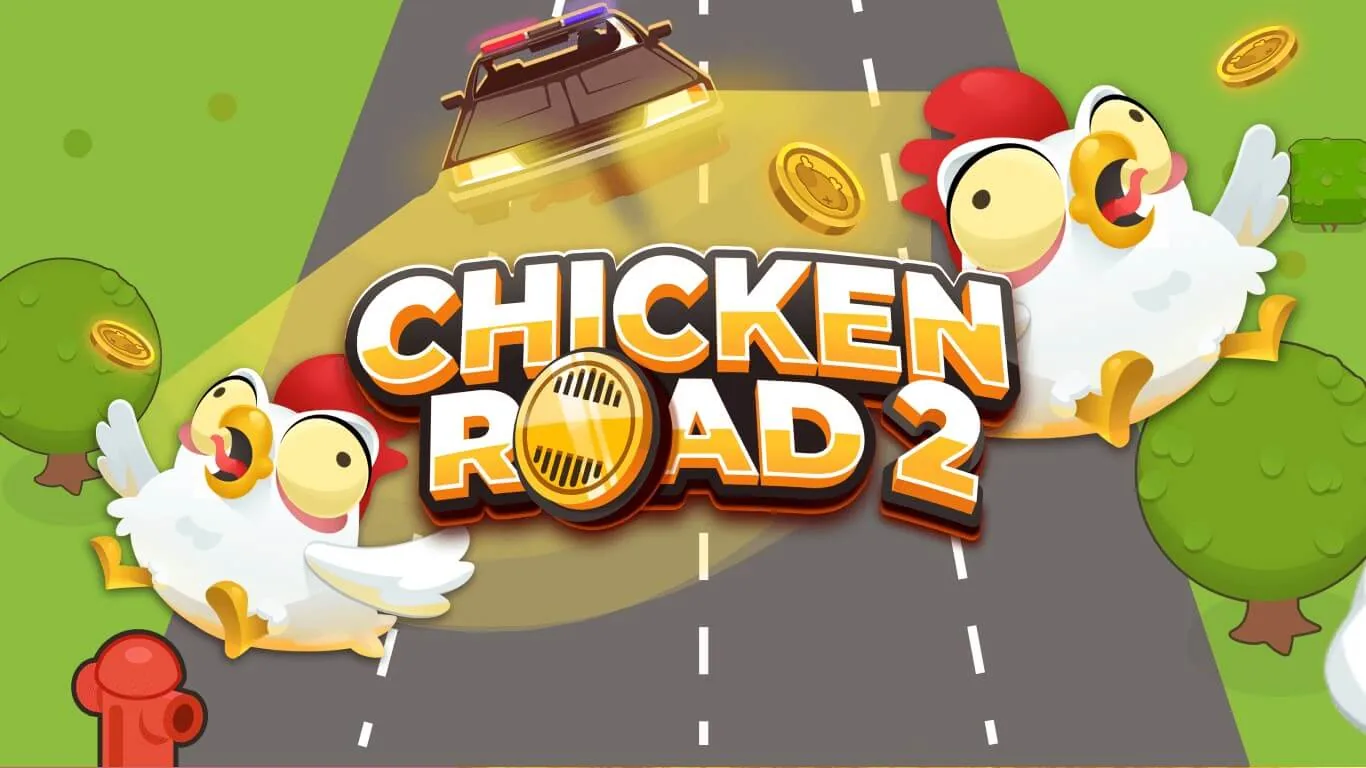
The typical first-round mistake in Chicken Road is pushing for « just one more lane » when you're already three times up. The multiplier climbs with every safe crossing, the road looks clear, and then a car appears exactly where your chicken is stepping. Round over, stake gone. It happens because the game feels more controllable than it actually is — you're tapping to move forward, the animation is smooth, but the outcome of each lane is determined the moment the round loads.
Chicken Road sits in the crash-game family, but instead of watching a graph climb until it crashes, you're deciding how many lanes a chicken should cross before cashing out. It's from InOut, runs on provably fair RNG, and offers four difficulty settings that change both the number of lanes available and the rate at which cars appear. The United Kingdom market sees it on UKGC-licensed sites, where the usual £5 stake cap applies — or £2 if you're between eighteen and twenty-four. Here's how it works, what the numbers mean, and where beginners usually go wrong.
What sets this apart from the standard crash format
Most crash games give you one control: the cash-out button. Chicken Road gives you two: when to stop and which difficulty to play. The difference matters because difficulty doesn't just adjust risk — it changes the maximum multiplier you can reach and the psychological rhythm of the round.
- Easy mode offers thirty lanes. The safest route, but each lane adds less to the multiplier, so reaching high payouts takes more steps and more time.
- Medium drops to twenty-five lanes with a moderate hit rate. The middle ground for most players once they've tried a few rounds.
- Hard cuts to twenty-two lanes and raises the car frequency noticeably. Higher risk, faster climb.
- Hardcore gives you eighteen lanes and the highest chance of being hit. The multiplier grows quickly, but so does the likelihood of losing before you cash out.
In a standard crash game like Aviator or JetX, everyone in the lobby watches the same multiplier climb and crashes at the same point. Chicken Road is solo: your round, your lanes, your RNG seed. No one else's cash-out affects your outcome, and you can't ride someone else's successful run. That removes the social-proof element — the « everyone else is staying in, so I will too » feeling — but it also means you can take your time without watching other players' wins stack up on screen.
How a round unfolds from stake to payout
- You pick a difficulty level and enter your stake. The minimum is £0.10, and the maximum is capped at £5.00 per round under UKGC rules — or £2.00 if you're eighteen to twenty-four. The cap applies across all slots and instant games on licensed sites.
- The round starts. Your chicken appears at the bottom of the screen, and the road stretches upwards with cars moving horizontally across each lane. The starting multiplier is 1.00×.
- You tap or click to move the chicken forward one lane at a time. Each successful crossing increases the multiplier. The rate of increase depends on your difficulty setting — Hardcore mode adds more per lane than Easy.
- At any point, you can hit the cash-out button. Your stake is multiplied by the current value, and the round ends. If you cross another lane after that without cashing out, the new multiplier replaces the old one.
- If a car hits the chicken before you cash out, the round ends immediately and the stake is lost. There's no partial payout and no second chance within the same round.
The provably fair system generates the car positions and timing before you start moving. That means the outcome is already set — your decision is only how far to push before you stop. It's closer to revealing a scratch card one panel at a time than to steering a vehicle. The lane-by-lane interaction makes it feel different, but the result is still binary: cash out in time, or lose the stake.
The numbers you'll see and what they actually mean
The maximum win of £16,000 is a hard cap set by the provider. If your stake multiplied by the current multiplier would exceed that figure, the round forces a cash-out at the cap. In practice, hitting the ceiling requires either a large stake on an easier difficulty and crossing many lanes, or a smaller stake on Hardcore and surviving deep into the road. Most rounds end far below that limit.
The £5 stake cap is a United Kingdom regulatory limit introduced to reduce harm from high-speed betting on slots and instant games. It applies to every spin or round, not to your session total. If you're between eighteen and twenty-four, the cap drops to £2 — operators verify your age using credit-reference data during the affordability checks that now start from £150 net deposits per month. You can't bypass the cap by splitting stakes across multiple tabs or devices; the limit is enforced at account level.
Where and how to play legally in the United Kingdom
Chicken Road appears on UKGC-licensed casino sites as part of their instant-game or crash-game lobbies. Every operator serving British players must hold a remote gambling licence from the UK Gambling Commission, and the licence number sits in the footer of the site. Before you deposit, check that number against the UKGC public register — it takes thirty seconds and confirms the operator is legally allowed to offer real-money play here.
Demo mode is common, but many UKGC sites now restrict free play to logged-in, age-verified accounts. That means you'll need to register and pass the initial identity checks before you can try the game without staking real money. The demo uses the same RNG and multiplier structure as the real version; the only difference is that you're playing with virtual credits that can't be withdrawn. It's worth running a few demo rounds on each difficulty level to see how the pacing and risk feel before you commit a deposit.
| Payment method | Deposit time | Withdrawal time | |
|---|---|---|---|
| Debit card (Visa, Mastercard) | Instant | 1–3 working days | → |
| PayPal | Instant | Few hours to 24 hours | → |
| Apple Pay | Instant | Same as linked card | → |
| Open Banking / Trustly | Instant | Same day to 2 working days | → |
| paysafecard | Instant | Not available for withdrawals | → |
Credit cards have been banned for online gambling in the UK since 2020. You can only deposit using a debit card or an e-wallet, and the payment method must be in your own name — joint accounts and third-party cards are rejected. Your first withdrawal triggers a full KYC check: passport or driving licence, proof of address, and sometimes a bank statement. The process takes twenty-four to forty-eight hours, and your funds stay pending until the documents are approved. After that, most e-wallet withdrawals clear within a day; Faster Payments to your bank account arrive in the same timeframe.
The mistakes that cost new players most often
The first-round overreach is the most common, but it's not the most expensive. That prize goes to chasing losses by jumping straight to Hardcore mode after a bad run on Easy. The logic feels sound — higher multiplier per lane means you can recover faster — but Hardcore also has the highest hit rate, and a losing streak there drains your balance far quicker than steady play on a lower difficulty.
- Treating early safe crossings as evidence the round will continue. The RNG doesn't build momentum; each lane is independent, and three safe steps don't make the fourth any safer.
- Ignoring the maximum win cap and pushing for lanes that can't increase the payout any further because the £16,000 ceiling has already been reached.
- Assuming demo mode is slower or easier than real-money play. The RNG is identical; the only difference is what's at stake, and that changes how you feel about each decision, not the probabilities behind it.
- Splitting a session across multiple difficulties without adjusting stake size. A £2 stake on Easy is a different risk profile to £2 on Hardcore, but many players keep the same bet and wonder why the swings are larger.
Volatility in crash games means long losing runs are normal, not a sign the game is broken or the site is rigged. A dozen losses in a row is statistically unremarkable when the hit rate is high, and provably fair verification confirms the RNG is working as described. If you're checking the game's fairness after every loss, the time spent verifying seeds is usually better spent reviewing your own cash-out decisions.
FAQ
Can I play Chicken Road on my phone without downloading an app?
Yes. The game runs in your mobile browser on any UKGC-licensed site that offers it. There's no separate app to download, and you log in using the same account as the desktop version. The Google Play Store and App Store both allow real-money gambling apps from licensed operators, but most crash games, including Chicken Road, are delivered as web apps rather than native downloads.
What happens if I hit the £5 stake cap mid-session?
The cap applies to every round, not to your total session spend. You can place unlimited £5 bets in a row, but you can't stake more than £5 on a single round. If you're between eighteen and twenty-four, the cap is £2 per round. The system enforces this automatically — you won't be able to enter a higher amount in the stake field.
Is the Hardcore difficulty ever worth the extra risk?
It depends on how many lanes you plan to cross. Hardcore gives you a higher multiplier per lane, so if you're cashing out early — say, after four or five crossings — the increased reward can outweigh the higher hit rate. If you're aiming for deep runs, the lower lane count and increased car frequency make it much harder to reach the same multiplier you'd get on Easy or Medium with more patience.
How do I know the site I'm using is actually licensed by the UKGC?
Check the footer of the site for the licence number, then look it up in the UK Gambling Commission's public register. The register lists every licensed operator and shows whether the licence is active or suspended. If the number isn't in the footer or doesn't appear in the register, the site is operating illegally in the UK and you have no regulatory protection if something goes wrong.